Revolutionizing Construction with Humanoid Robotics Technology
The construction industry is on the brink of a significant transformation. With the advent of humanoid robotics technology, construction processes are becoming more efficient, safer, and cost-effective. As the demand for faster project completion and higher quality standards rises, integrating humanoid robots into construction workflows is no longer a futuristic concept but a present-day reality. This blog post explores how humanoid robotics is reshaping the construction landscape, the benefits it brings, and the challenges that lie ahead.
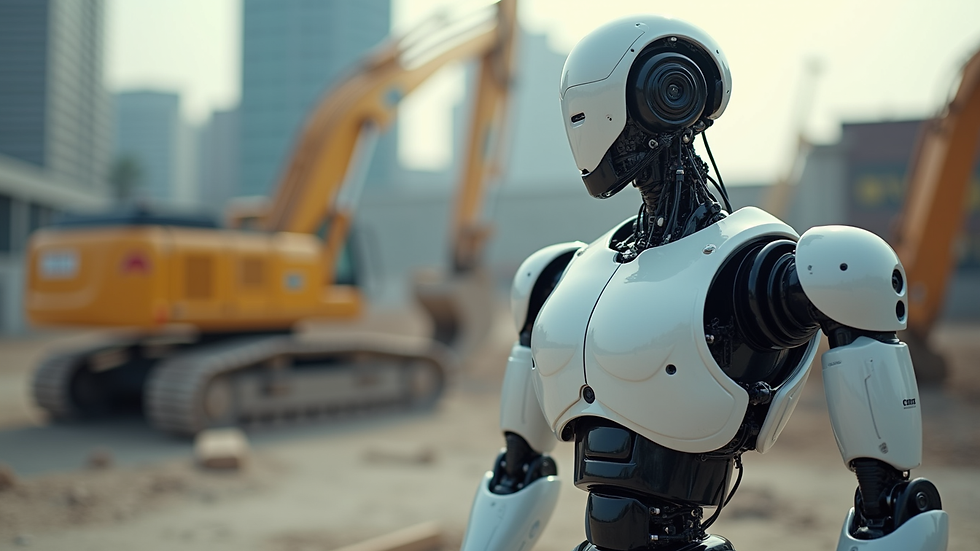
Understanding Humanoid Robotics
Humanoid robots are designed to mimic human actions and behaviors. They can perform tasks that require dexterity, precision, and adaptability. These robots are equipped with advanced sensors, artificial intelligence, and machine learning capabilities, allowing them to navigate complex environments and interact with humans effectively.
Key Features of Humanoid Robots
Mobility: Humanoid robots can walk, climb, and navigate uneven terrains, making them suitable for construction sites.
Dexterity: With advanced manipulators, these robots can handle tools and materials with precision.
Autonomy: Many humanoid robots can operate independently, reducing the need for constant human supervision.
Safety: Equipped with sensors, they can detect hazards and avoid accidents, ensuring a safer work environment.
The Impact of Humanoid Robotics on Construction
Increased Efficiency
One of the most significant advantages of humanoid robotics in construction is the increase in efficiency. Robots can work continuously without breaks, fatigue, or distractions. For instance, a humanoid robot can perform repetitive tasks like bricklaying or painting at a much faster rate than human workers. This efficiency not only speeds up project timelines but also reduces labor costs.
Enhanced Safety
Construction sites are inherently dangerous, with risks of accidents and injuries. Humanoid robots can take on hazardous tasks, such as working at heights or handling heavy materials, thereby minimizing the risk to human workers. For example, robots can be deployed for demolition work or in environments with toxic substances, ensuring that human workers remain safe.
Improved Quality
Humanoid robots are programmed to perform tasks with high precision, which can lead to improved quality in construction projects. They can execute complex designs and intricate details that might be challenging for human workers, resulting in a higher standard of workmanship. This quality assurance can lead to fewer errors and reworks, ultimately saving time and resources.
Case Study: Boston Dynamics' Spot
Boston Dynamics has developed a robot named Spot, which is being used in various construction projects. Spot can navigate construction sites, inspect structures, and even carry materials. In a recent project, Spot was used to survey a construction site, collecting data and providing real-time feedback to engineers. This integration of robotics not only streamlined the workflow but also enhanced the accuracy of the data collected.
Challenges in Implementing Humanoid Robotics
Despite the numerous benefits, the integration of humanoid robotics in construction is not without challenges.
High Initial Costs
The initial investment in humanoid robotics technology can be substantial. Construction companies may hesitate to adopt this technology due to the high costs associated with purchasing and maintaining robotic systems. However, it is essential to consider the long-term savings and efficiency gains that can offset these initial expenses.
Workforce Displacement
The introduction of humanoid robots raises concerns about job displacement among construction workers. While robots can take over repetitive and dangerous tasks, it is crucial to find a balance that allows human workers to focus on more complex and creative aspects of construction. Upskilling and reskilling programs can help workers transition to roles that complement robotic systems.
Technical Limitations
While humanoid robots are becoming increasingly sophisticated, they still face technical limitations. For instance, they may struggle with tasks that require fine motor skills or adaptability to unexpected changes in the environment. Continuous advancements in technology are necessary to overcome these challenges and enhance the capabilities of humanoid robots.
The Future of Humanoid Robotics in Construction
The future of humanoid robotics in construction looks promising. As technology continues to advance, we can expect to see more sophisticated robots capable of performing a wider range of tasks. Here are some trends to watch for:
Collaboration Between Humans and Robots
The future of construction will likely involve collaboration between human workers and humanoid robots. This partnership can lead to improved efficiency and safety on construction sites. For example, robots can handle heavy lifting while humans focus on design and planning.
Customization and Adaptability
As humanoid robotics technology evolves, we can expect more customizable robots tailored to specific construction tasks. This adaptability will allow construction companies to deploy robots that meet their unique needs, enhancing overall productivity.
Integration with Other Technologies
Humanoid robots will increasingly integrate with other technologies, such as drones and AI-driven software. This integration can lead to more comprehensive solutions for construction challenges, from project planning to execution.
Conclusion
Humanoid robotics technology is revolutionizing the construction industry by increasing efficiency, enhancing safety, and improving quality. While challenges remain, the potential benefits far outweigh the drawbacks. As the industry continues to embrace this technology, we can expect a future where humans and robots work side by side, creating safer and more efficient construction environments. The key takeaway is clear: embracing humanoid robotics is not just an option; it is a necessity for the future of construction.
As we move forward, construction companies should consider investing in humanoid robotics technology to stay competitive and meet the growing demands of the industry. The future is here, and it is time to build it together.


Comments